
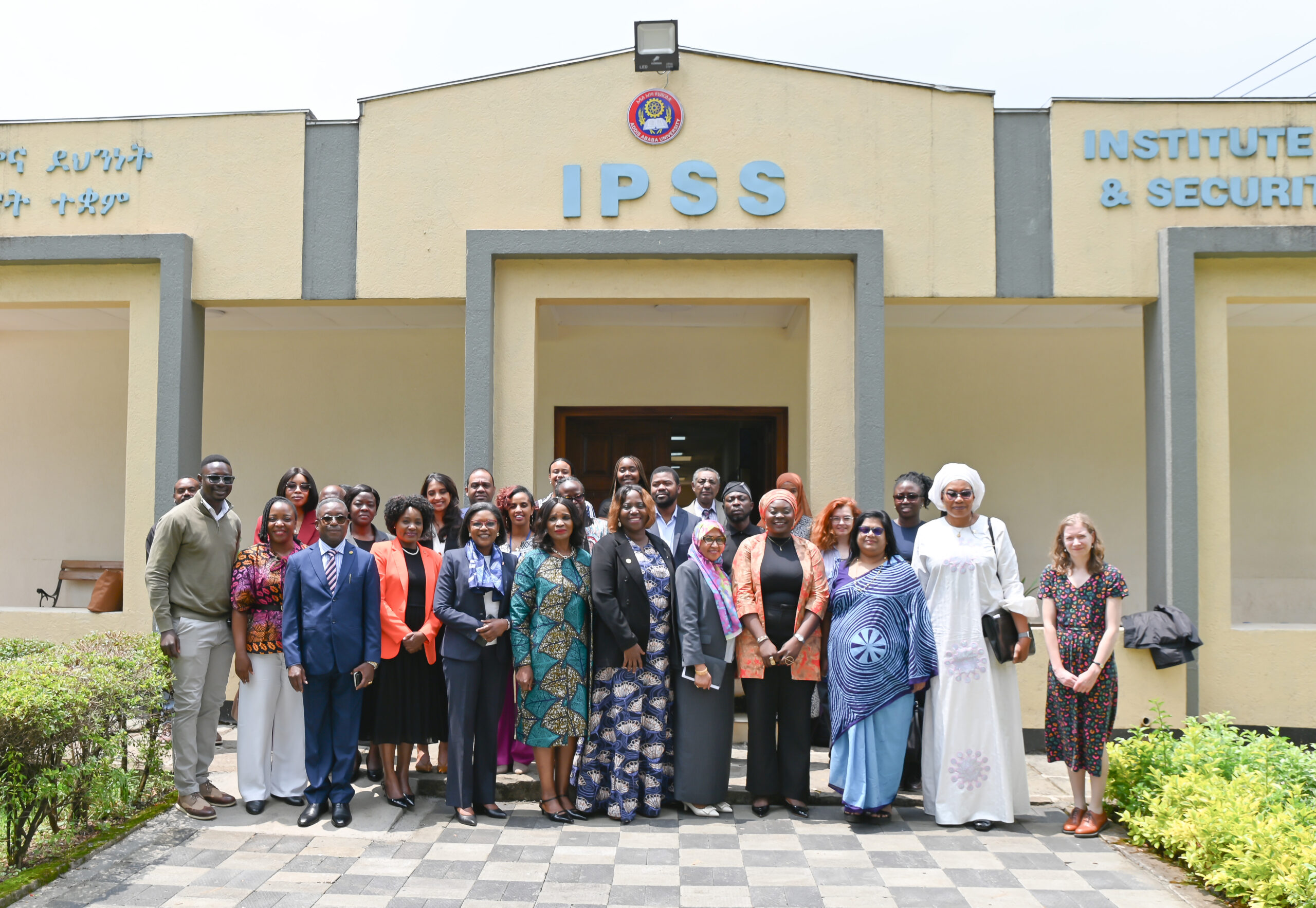
ADDIS ABABA, 25 June 2026 – In response to a staggering crisis where 64% of maternal deaths in Sub-Saharan Africa occur in conflict zones, the Institute for Peace and Security Studies (IPSS) and the United Nations Population Fund (UNFPA) have launched a five-point strategic action plan to protect reproductive rights and survivors of gender-based violence (GBV) in active peace operations.
Sub-Saharan Africa currently accounts for 70% of global maternal deaths. While the African Union’s historic Maputo Protocol enjoys widespread ratification, accountability on the ground remains stalled by fragmented reporting mechanisms and a critical deficit of tracking metrics in combat zones. This new initiative moves beyond political commitment to establish concrete mechanisms that stop preventable deaths and rights violations in these fragile settings.
“Protecting reproductive rights is the ultimate test of human security. We can no longer treat the vulnerabilities of women and girls as an afterthought,” said Ms. Lettie Tembo Longwe, Interim Director/Head of Tana Forum Secretariat, IPSS. “By integrating these protections directly into our security architecture, we are ensuring that rights violations are treated as urgent, early-warning indicators of future instability.”
“Every woman and girl caught in the crossfire deserves quality healthcare and unwavering dignity,” added Ms. Ndeye Rose Sarr, Chief, UNFPA Representation Office to the AU and UNECA. “This partnership is about moving from policy to frontline execution, ensuring that our collective investments deliver tangible, life-saving care to those left furthest behind.”
For Immediate Action
To bridge the gap from protocol to practice, the institutions have committed to five distinct, action-oriented mechanisms: Synchronized pathways guaranteeing that survivors of gender-based violence receive comprehensive, life-saving medical care within the critical 72-hour emergency window. A technical communiqué to be delivered to the AU Peace and Security Council, recommending the formal integration of specific SRHR and GBV indicators into the African Peace and Security Architecture (APSA). A localized data pipeline linking continental peace structures directly with frontline CSOs to dramatically improve the reporting and visibility of abuses. An operational blueprint assigning clear responsibilities to safeguard and maintain reproductive health services during active hostilities. A sustainable financing framework to mobilize immediate domestic and international resources for the rapid deployment of emergency health services in crisis areas.
About the Partners:
Institute for Peace and Security Studies (IPSS): IPSS is a premier African institution dedicated to conflict prevention, peacebuilding, and security governance through rigorous research, policy analysis, and impactful multi-stakeholder dialogues across the continent.
UNFPA: UNFPA works globally and continentally to deliver a world where every pregnancy is intended, every childbirth is safe and every young person’s potential is fulfilled in humanitarian, development and peace settings.