
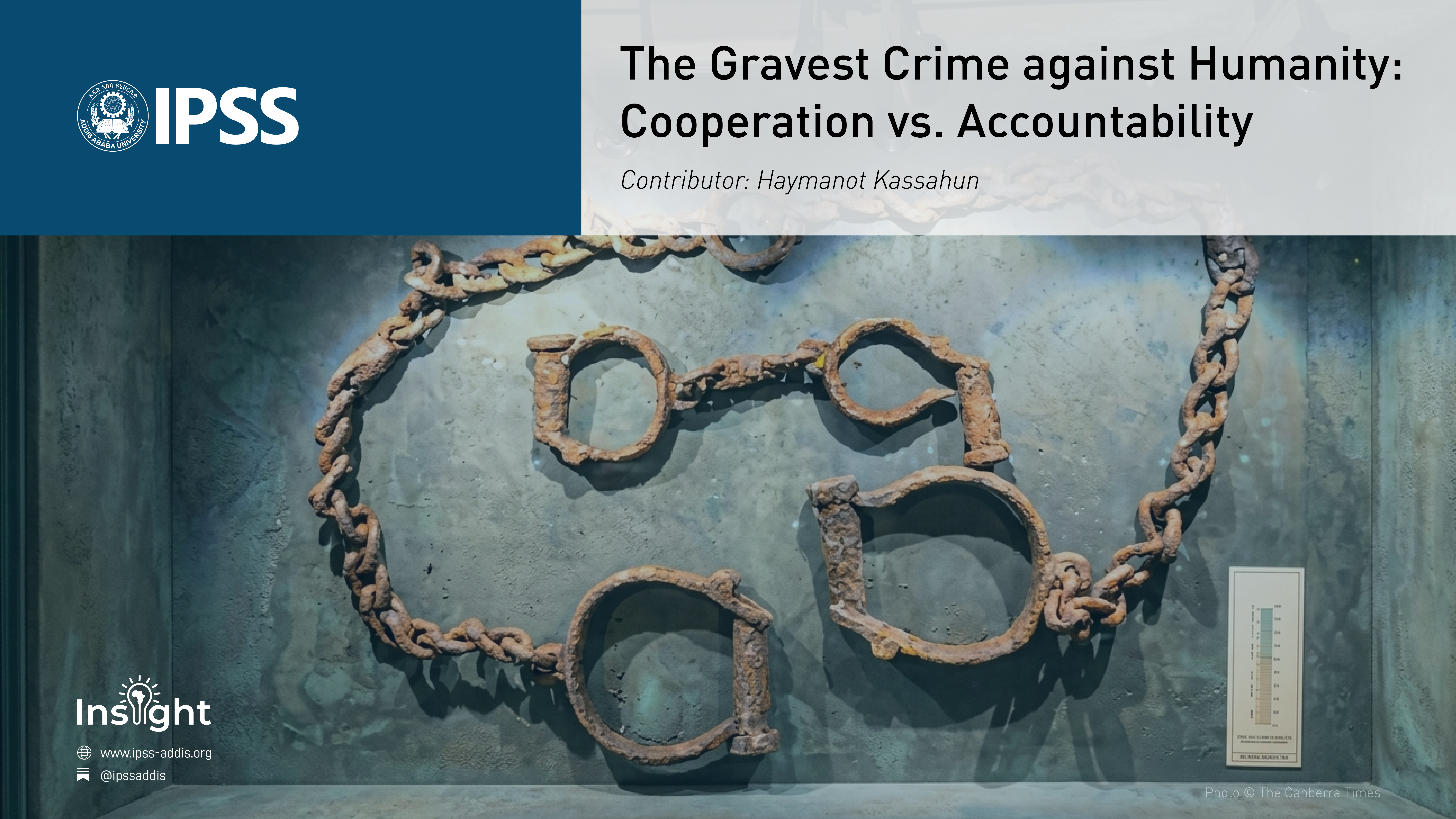
Slavery is one of the darkest chapters in world history. Many victims have been forgotten, hidden, and stripped of their dignity, culture, and autonomy. The impacts of slavery are still prevalent in today’s world; from the way we perceive to the way we are perceived, we are under the influence of this heinous past in one way or another.
On March 27, history took a decisive turn. Though not legally binding, the landmark resolution, the Declaration of the Trafficking of Enslaved Africans and Racialized Chattel Enslavement of Africans as the Gravest Crime against Humanity formally named the transatlantic slave trade for what it was: the gravest crime against humanity. It was not merely a procedural act but an affirmation of historical truth. It stands as a testament to the resilience of the ancestors who preserved these histories despite centuries of erasure. Led by Ghana and its President, H.E. John Dramani Mahama, the resolution challenged centuries-old structures of injustice that continue to shape the lives of Africans and people of African descent, opening the door to institutional accountability and reparatory justice. It offers hope that this recognition may be followed by meaningful action, including reparatory justice. For Africans, people of African descent, and all those enduring apartheid, genocide, and other forms of injustice, it is a reminder that truth, however delayed, eventually emerges into the light. The resolution also extends the momentum of the African Union’s 2025 theme, “Justice for Africans and People of African Descent Through Reparations,” reaffirming the continent’s commitment to historical justice. Among the justifications for the resolution was recognition of the enduring consequences of slavery and the transatlantic slave trade. It is yet another reminder that history is never confined to the past; it continues to shape the present and define the possibilities of the future.
The resolution passed with an overwhelming majority: 123 votes in favor, 26 abstentions, and only three votes against. Many European Union member states abstained, citing concerns over the “ hierarchy and retroactive application of the law.” Argentina, the United States, and Israel were the only states to vote against the resolution. For some observers, these positions are consistent with broader domestic and foreign policy trajectories, particularly in the United States under the Trump administration., where questions of historical accountability and minority rights have become increasingly contested. Notably, the 123 affirmative votes included Gulf and Arab states whose own histories are intertwined with systems of enslavement, including the Arab slave trade.
Looking beyond the vote itself, these state positions could become an important reference point for future reparations claims. By supporting the resolution, countries have acknowledged not only the enormity of the transatlantic slave trade but also its continuing effects. Still, one cannot help but wonder whether these votes reflected a genuine commitment to the dignity of Africans and an honest reckoning with the enduring consequences of slavery, or whether they were shaped by political alliances and selective accountability. Time will reveal whether this was the beginning of meaningful action or simply a powerful symbolic gesture.
Another important aspect is the issue of reparations, as implied above. The concept itself is highly contested and often difficult to implement, largely due to a lack of political will, even among states that voted in favor of the resolution. Some states that support recognition and reparations on the global stage do not uphold the same principles of humanity within their own domestic affairs. While countries such as The Gambia have relatively excelled in providing reparations for crimes committed under former President Yahya Jammeh’s rule, many other states have avoided recognition, let alone reparations.
On the other hand, one of the major significances of this resolution is the Arab world’s acknowledgment of the lasting impact of slavery, the need for accountability, and the need for reparations that extend beyond financial compensation. While this, in itself, champions South-South cooperation and highlights the growing role of Arab states on the continent, particularly in the Horn of Africa, their engagement requires a careful eye. As their involvement in the Horn expands through development, defense, tourism, and other sectors, it must be analyzed within its historical context, as they are not new to the region. Furthermore, their historical relationship with the region has not always been a harmonious one.
Accordingly, do votes from Arab states that were historically involved in the Arab slave trade signal a willingness to confront their own role in the enslavement of Africans? Are they prepared to take accountability for actions that erased identities and whose consequences continue to affect people of African descent in their societies today? If they now recognize slavery as among the gravest crimes against humanity and support the idea of reparations, does this reflect a genuine readiness for acknowledgment and redress, including for the Arab slave trade, or is it primarily a political stance aligned against the West? Given the persistent challenges faced by Africans and people of African descent from deportations to discriminatory rhetoric, it is vital to ask whether this position will translate into meaningful accountability and change.
Disclaimer: The views expressed in this Insight reflect the perspectives of the contributor and do not necessarily represent the official position of Institute for Peace and Security Studies.
 |
Contributed by Haymanot Kassahun Programme Officer |